American belt buckles: a must-have accessory for car, motorcycle, and rock style enthusiasts
American Belt Buckles: History and Evolution in Popular Culture
The American belt buckle (or Western belt buckle) is much more than a simple fashion accessory: it is a true cultural symbol, reflecting the industrial history, frontier spirit, craftsmanship, and subcultures of the United States.
Here is the fascinating history of this iconic accessory and its evolution through popular culture.
1. Origins: From the Army to the First Cowboys
Contrary to popular belief, 19th-century cowboys during the Wild West era did not typically wear large metal belt buckles.
The Era of Suspenders: Throughout most of the 19th century, trousers were worn high-waisted and held up by suspenders. Belts used at the time were usually thin and fastened with small, simple buckles or military rings.
The Impact of the American Civil War (1861–1865): The U.S. Military began equipping soldiers en masse with belts featuring brass plate buckles (often stamped with "US" or "CS"). After the war, veterans and adventurers heading West kept these sturdy military belts.
2. The Golden Age of Rodeo and the Birth of the "Trophy Buckle" (1920s–1950s)
It was in the early 20th century that the belt buckle as we know it today truly took off.
Silent Cinema and Hollywood: In the 1920s, stars of silent films and early Western movies (such as Tom Mix or William S. Hart) began wearing theatrical cowboy costumes. To make a strong impression on screen, they sported large engraved silver buckles.
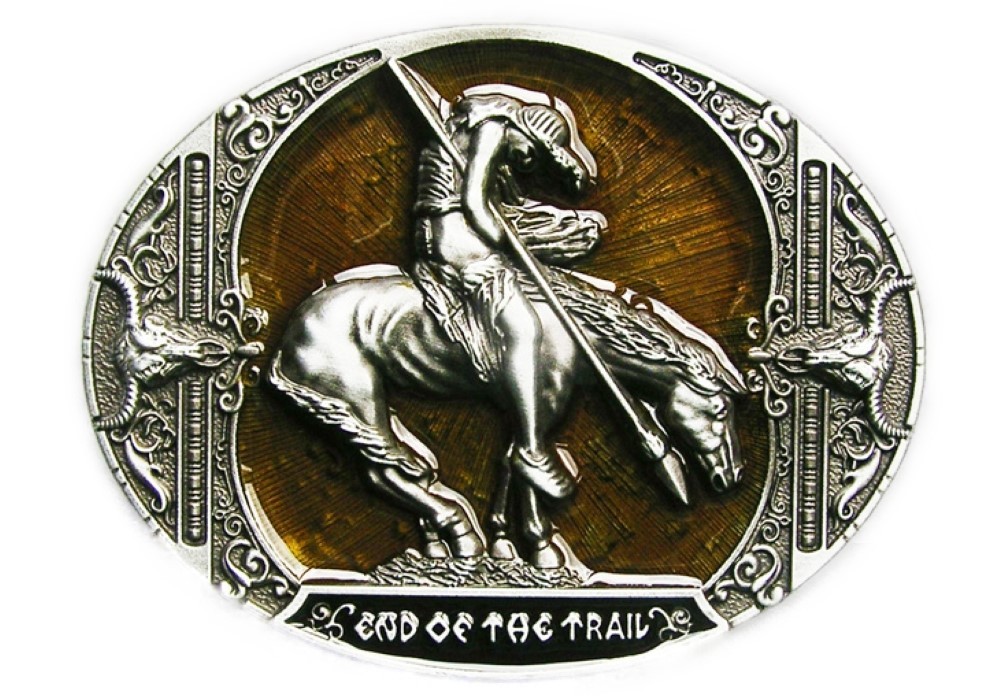
Rodeo Awards: Around the same time, rodeo competitions replaced traditional cups and medals with engraved silver belt buckles. Winning a "Trophy Buckle" became the ultimate symbol of courage, skill, and prestige in the American West.
Silver Craftsmanship: Silversmiths—particularly among Navajo and Zuni artisans, as well as legendary companies like Edward H. Bohlin in Hollywood—elevated buckle making to an art form, featuring hand-carved silver, turquoise inlays, floral tooling, and bull motifs.
3. The Subculture Explosion: Bikers, Rock & Auto (1960s–1980s)
Starting in the 1960s and 1970s, the belt buckle expanded beyond the Western domain to be embraced by youth and various subcultures.
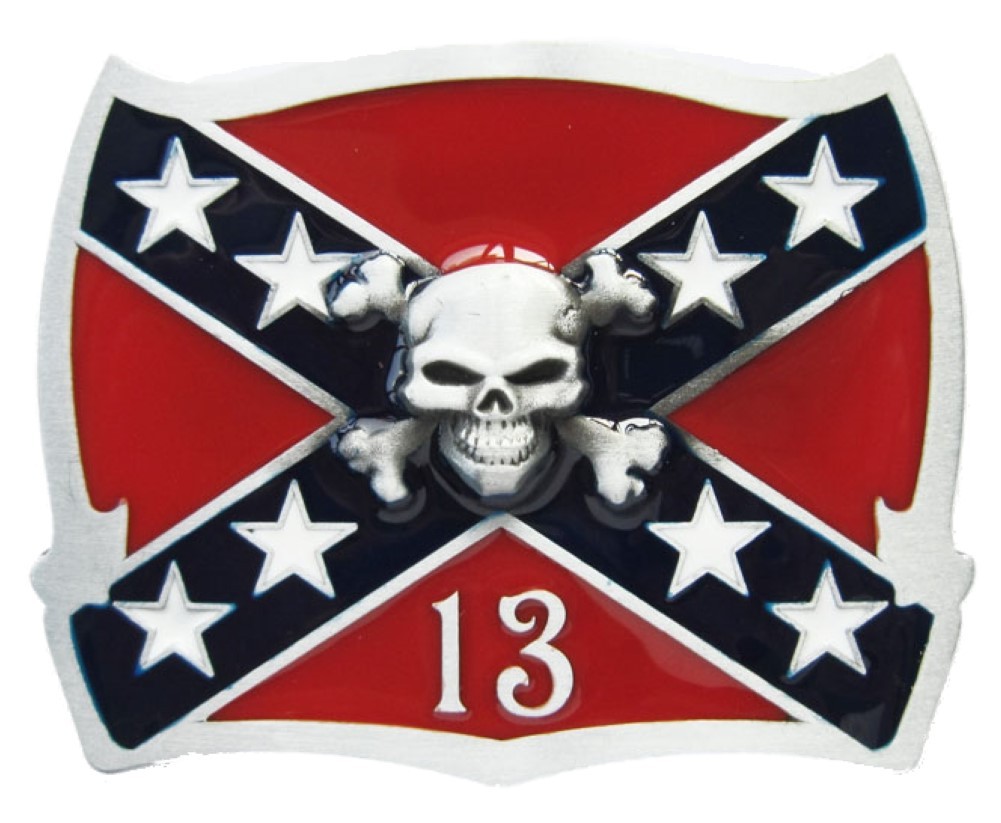
Biker & Custom Culture: Motorcycle enthusiasts (especially around the Harley-Davidson brand) adopted massive buckles. They became a canvas for self-expression: skulls, eagles, motorcycle logos, and rebel slogans. The buckle also protected the rider's stomach and signaled membership in a club or community.
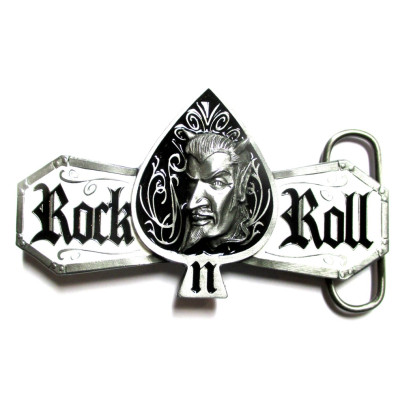
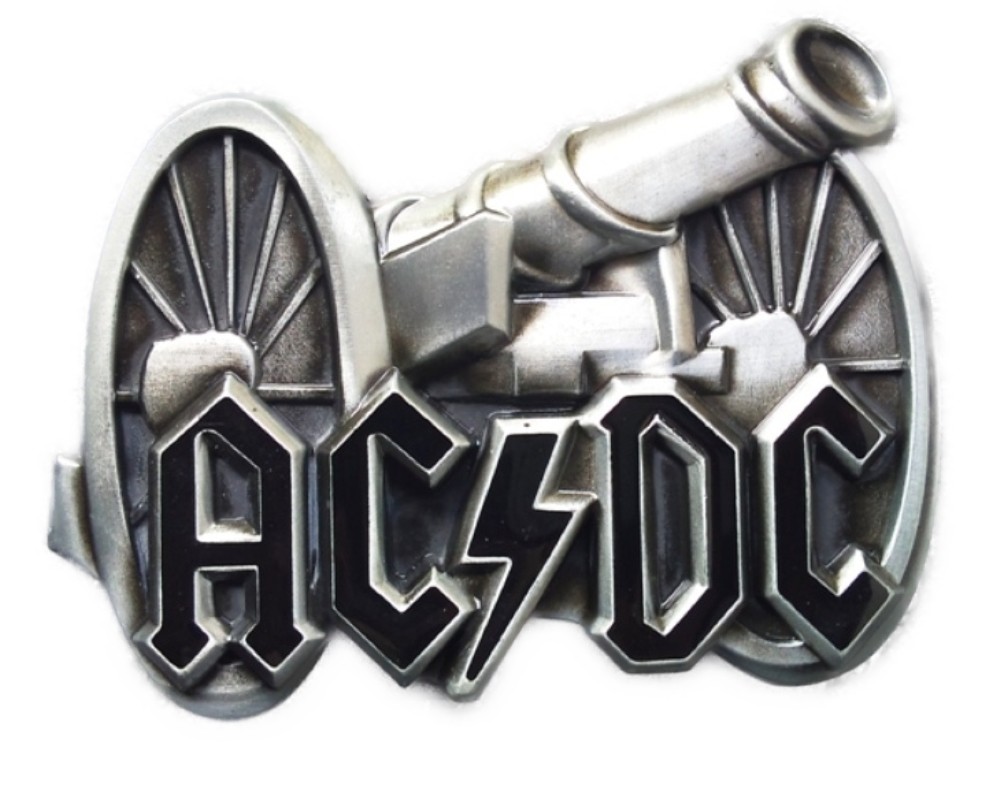
Rock 'n' Roll & Outlaw Country: Rock legends like Elvis Presley, Lemmy Kilmister (Motörhead), Aerosmith, and AC/DC turned the oversized buckle into a stage essential. Simultaneously, the Outlaw Country movement (Johnny Cash, Waylon Jennings) kept the Western tradition alive while giving it a raw, rebellious edge.
Hot Rod & Muscle Car Culture: Fans of American automobiles (Kustom Kulture, V8s, dragsters) created their own designs: cast aluminum buckles depicting pistons, chromed engines, flames, or checkered flags
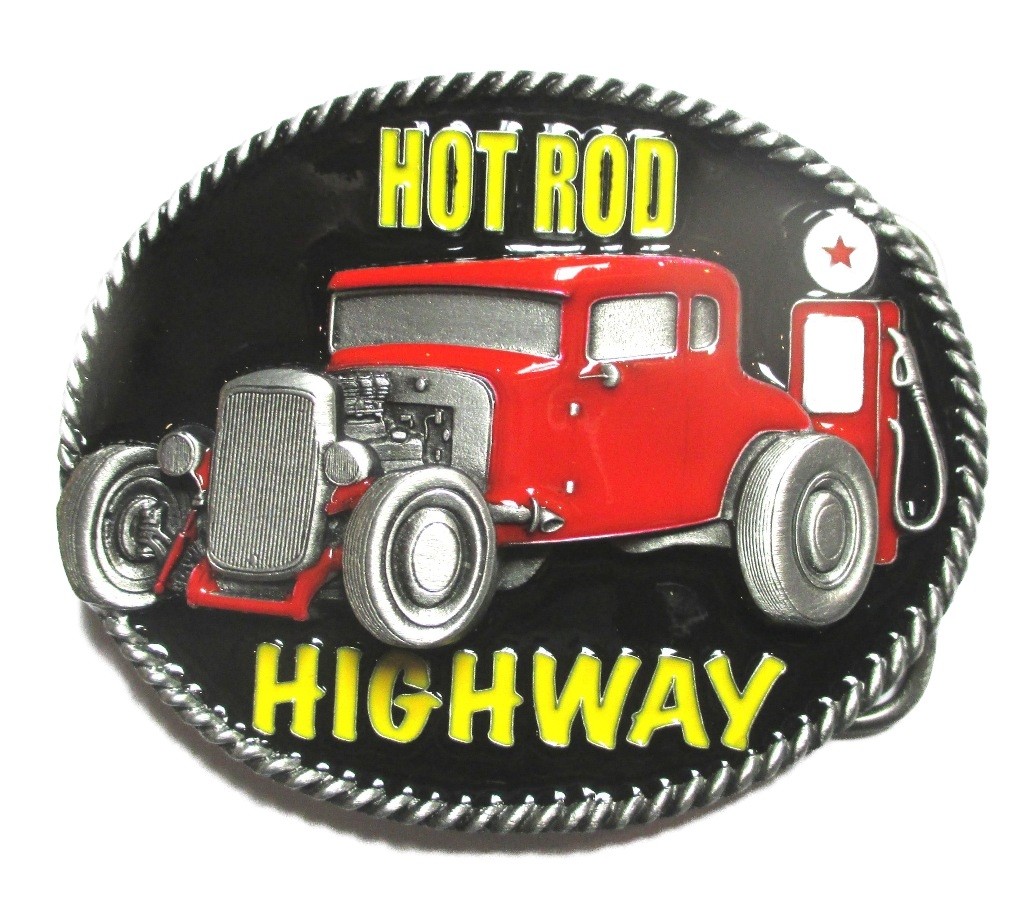 .
4. Overview of Iconic Styles
| Style | Key Features | Symbolism |
| Western / Rodeo | Sterling silver or alpaca, floral engravings, turquoise inlays, bull or horse motifs. | Bravery, tradition, Wild West prestige. |
| Biker / Rock | Bronze, brass, or pewter, skulls, eagles, Maltese crosses, band logos. | Rebellion, freedom, open-road spirit. |
| Kustom / Auto | Mechanical themes (pistons, V8 logos, flames, checkered flags). | Car passion, custom culture, power. |
| Advertising Plate | Branding from iconic American labels (Jack Daniel's, Caterpillar, Marlboro). | Americana culture, sense of belonging. |
5. The Buckle Today: A Timeless Classic
Today, the vintage American belt buckle is a sought-after collector's item and a cornerstone of Americana, Workwear, and Rockabilly styles.
Whether worn on raw denim with a chambray shirt or displayed at a car or motorcycle rally, it remains a powerful way to express individuality and a passion for an authentic lifestyle.

Related Posts
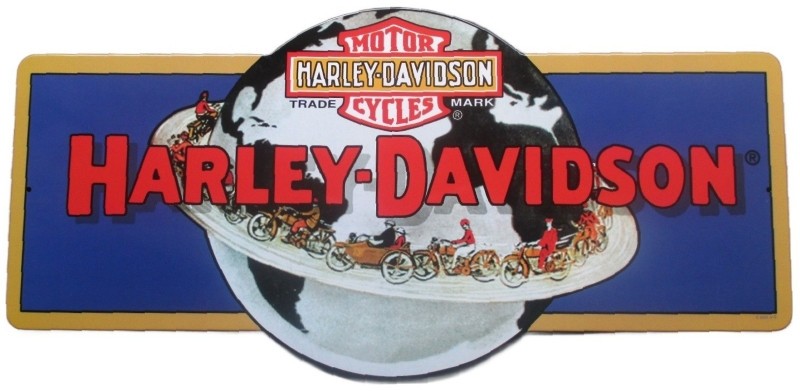
If there is one brand whose image single-handedly embodies freedom, the roar of big engines, and the rebellious spirit of the open American road, it’s Harley-Davidson.
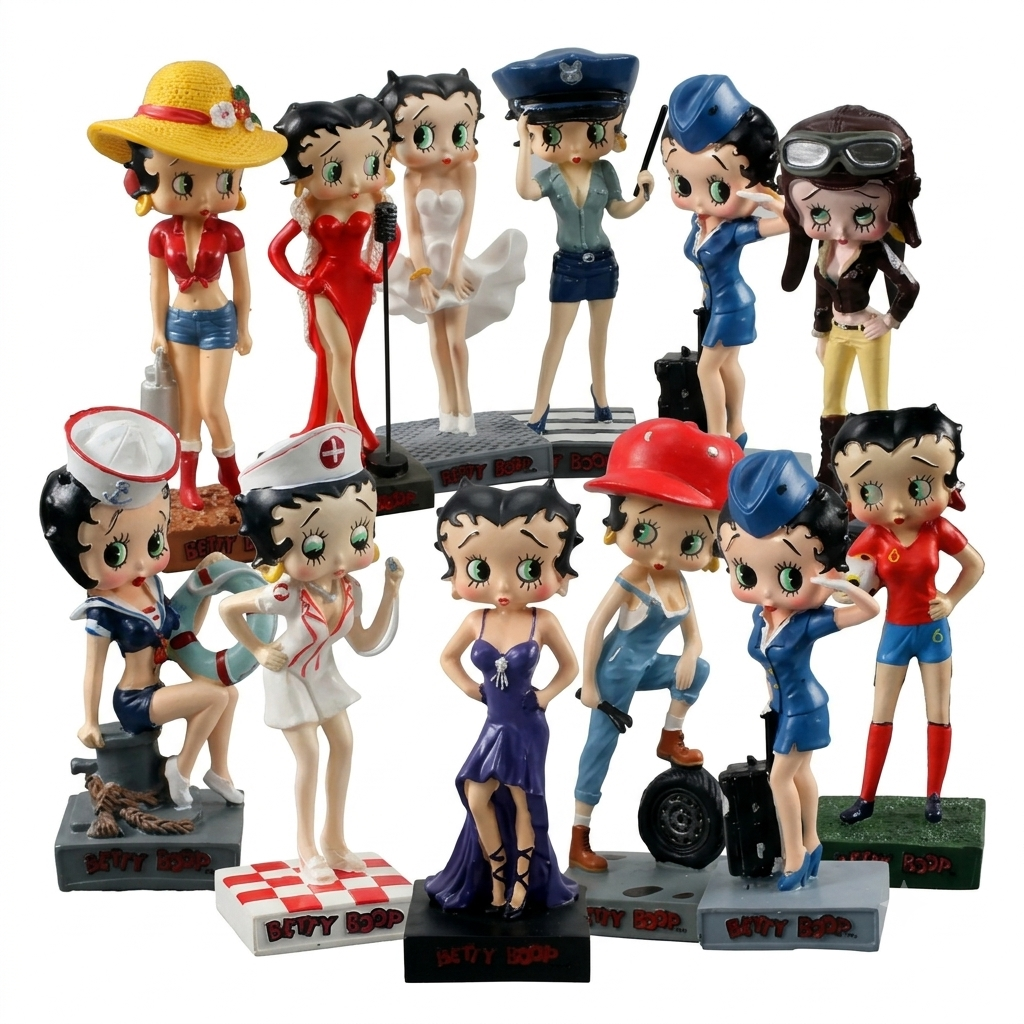
An absolute icon of retro glamour, Betty Boop remains effortlessly timeless. With her legendary curves, playful gaze, and iconic outfits, she instantly brings a touch of energy and nostalgia wherever she appears.
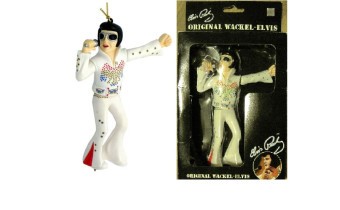
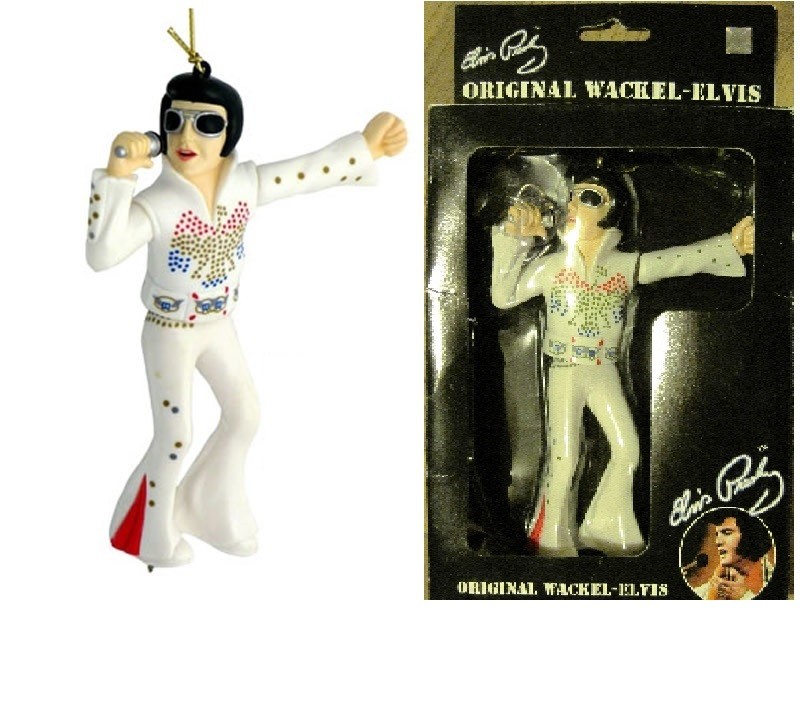
the dancing elvis or Wackel-Elvis elvis in German
was designed to represent rocker Elvis Presley
in the early 1970s.
 the Wackel-Elvis' costume resembles the white jumpsuit
Elvis Presley wore on the TV show Aloha om Hawaii in 1973.